
Golf Performance

The body builds the swing.
Every limitation in your swing — loss of distance, inconsistent contact, pain at the top of the backswing, that nagging low back ache after 18 holes — can usually be traced back to how your body moves. Tight hips. A locked-up thoracic spine. Glutes that aren't firing. Each one shows up in your golf swing, costing you yards and putting you at risk for injury.
At Dalton Wellness, our TPI (Titleist Performance Institute) Certified professionals identify those physical limitations and build a program to fix them. Better movement means a better swing, fewer injuries, and more time on the course doing what you love.
Whether you're a weekend player chasing 10 more yards or a competitive golfer protecting your career, the program is built around your body, your swing, and your goals.
Four pieces of a complete golf performance system.
Each component builds on the one before it. Start with the screen, follow the data, and progress through training designed for what your body actually needs.
TPI Screen
The starting point. A movement assessment developed by the Titleist Performance Institute that maps your physical limitations directly to the swing faults you've been fighting.
- Full mobility & stability screen
- Body-swing connection analysis
- Clear picture of what to work on
Performance Assessment
A deeper layer beyond the TPI Screen. We evaluate strength, power, mobility, stability, and how your body handles the rotational demands of the golf swing — so the program we build has real direction.
- Strength & power testing
- Movement quality analysis
- Custom program design
Performance Training
Golf-specific strength and conditioning, programmed around your assessment. We build rotational power, hip and thoracic mobility, posterior chain strength, core stability, and balance — the things that actually translate to your swing.
- In-person 1-on-1 training
- Remote programming via mobile app
- Ongoing check-ins & progressions
Injury Prevention & Rehab
Treat current injuries and stop new ones before they keep you off the course. We address the common patterns — low back, lead-side hip, wrist, elbow, shoulder — and have a licensed PT on the team if you need that side of the work.
- Sport-specific injury prevention
- Active rehab from current injuries
- Return-to-play programming
The patterns we see again and again.
Golf is harder on the body than people realize. The combination of high-velocity rotation, repeated impact, and asymmetrical movement patterns adds up — especially as the season stretches on. These are the issues we see most often, and the ones we're built to fix.
From weekend players to tour-level pros.
The program scales. Whether you play once a month or compete every week, the goal is the same: a body that supports the swing you want.
The Weekend Golfer
Want to play more rounds and feel better doing it. Most clients in this group are chasing more distance, fewer aches, and a swing that holds up over 18 holes.
The Serious Amateur
Tournaments, club championships, league play. You've put in the swing work — now the body is the limiting factor. Measurable gains in mobility, power, and consistency.
Professional & Collegiate
For players whose game is their career or scholarship. Performance training built around the demands of competitive play, with injury prevention to protect the long game.
The Comeback Player
Coming back from injury, surgery, or time away. We rebuild the foundation that lets you return to the course safely — and stronger than before.
Most golf training treats the swing. We treat the body that swings it.
You can spend hundreds of hours on the range. You can take lessons from the best coaches in town. None of it sticks if your body can't get into the positions the swing demands.
That's the entire premise of TPI — and the entire premise of our program. Identify the physical limitations holding back the swing, fix them with focused training, and watch the swing change as the body changes.
The result is measurable: more distance, more consistency, fewer injuries, and a body that holds up to the demands of the game year after year.
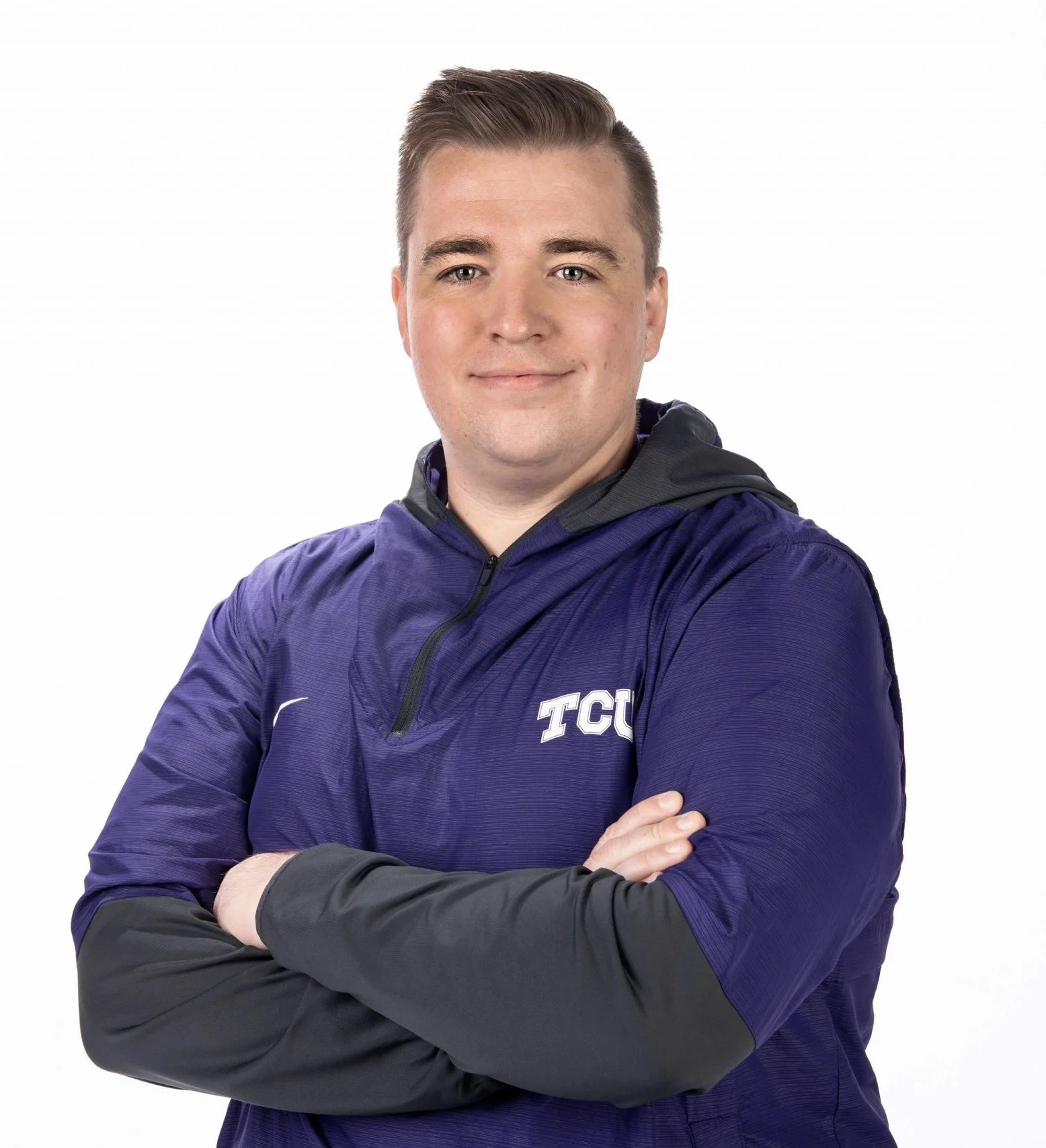
Michael Wood
Head of Golf Performance
Michael "Woody" Wood moved to the USA in 2007 on a collegiate soccer scholarship. While in England, he had spells at Millwall Football Club, West Ham United FC, and Crawley Town FC before continuing his playing career at Midwestern State University in Wichita Falls, Texas, where he competed in three NCAA Tournaments and one Final Four.
Upon expiration of his playing eligibility, Woody transitioned from athlete to coach, focusing on physical preparation and elite performance in athlete development, specializing in strength, power, and energy system development. He has a passion for playing golf and improving the performance of golfers of all levels.
Currently, Woody serves as Senior Assistant Director of Human Performance at Texas Christian University and Head of Golf Performance at Dalton Wellness.